For most pasture-based livestock systems, spring is when the largest share of annual feed is grown. Capturing spring growth is one of the best opportunities to lift production and farm performance. The opportunity presents in spring, but the groundwork starts in winter: assessing feed supply, understanding livestock demand, and making practical decisions early enough to respond.
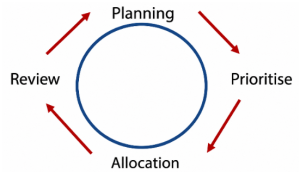
A simple way to approach winter decision making is to work through four steps: plan, prioritise, allocate and review.
Planning
Planning starts with a clear picture of the current and expected situation for feed supply and demand.
What is the current and future position for pasture cover, supplementary feed on hand, livestock numbers (class, status and liveweight), and any considerations relating to forage crops, fodder production, or dropping land out for seasonal cash cropping?
Feed budgeting is the key tool used for planning and modelling feed supply and demand.
Monitoring soil moisture levels and seasonal weather conditions is vital to support predictions of pasture growth rates and pasture cover.
Prioritise
In winter, pasture and supplements are limited, so feed needs to be prioritised for the ‘low hanging fruit’, or the stock classes that will provide the best return for feed:
- 1st: Pregnancy
- 2nd: Lactation
- 3rd: Liveweight gain
- 4th: Others
Identifying these groups early helps make feeding decisions clearer and reduces the risk of spreading feed too thinly across the system.
Allocation
Once priorities are clear, feed must be allocated accordingly to the respective livestock classes, supported by a feed budget.
With winter supply typically lower than demand, available pasture cover, animal condition and supplementary feed can be used to fill the deficit. Livestock should be fed to requirement while ensuring the farm’s average pasture cover is not compromised.
Review
Reviewing the plan every 30 days is a useful habit through winter.
Check feed supply (e.g. pasture, fodder, forage crops) and livestock performance against what was predicted in the planning process and feed budget.
Understanding soil moisture levels and pasture growth rates is also critical. Adjust predicted pasture availability where required.
This is also the time to check livestock markets and, if needed, make timely decisions to trade livestock in or out.
Small adjustments to the overall feeding plan are easier than making large or forced corrections later.
Summary
Strong pasture based systems are built on regular monitoring and well informed decision making. The best results come from having a clear understanding of feed supply, livestock demand, prioritising animals that need feed most, and reviewing the plan before small issues become large ones.
Extra resources
Pinion Advisory offers practical courses to help producers build confidence in grazing management, including Pasture Principles.
To discuss setting your system up for spring, or for more information on available courses, please contact us.
Adam Moloney
Consultant – Ag Production and Adoption